
Filmmaker Intentions
From observation to understanding in two key questions.

When we engage with or teach film analysis, we often begin with the building blocks: mise-en-scène, performance, cinematography, editing, and sound. Students learn to identify what they see on screen: the low-angle shot, the desaturated colour palette, the jump cut. But identifying the technique is only the starting point. The deeper question, the one that turns observation into analysis, is why.
Understanding a filmmaker's intention means moving beyond description. Choices such as where the camera is placed, how long a shot lingers, or how an actor delivers a line are not simply technical decisions. They are deliberate acts of communication that shape how we experience the story.
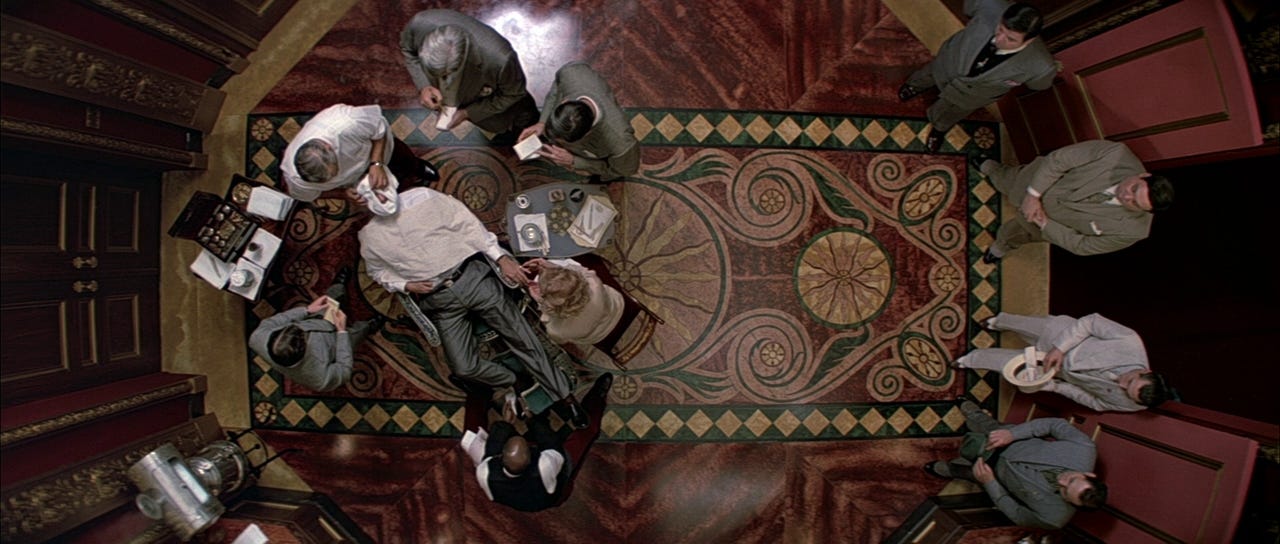
What Mamet can teach us about filmmaker intentions in two key questions
In his book, On Directing Film, David Mamet invites us to consider two questions:
Where do you put the camera?
What do you tell the actors?
These are not just technical prompts; they are narrative ones. They ask us to consider how meaning is constructed. By focusing first on cinematography and performance, the viewer is anchored in the director’s agency. They begin to think about how their attention is being guided, and to what end.
I find this constraint useful. It narrows the focus while opening up the scene. When students are asked to account for every element of film form at once, analysis often becomes fragmented. Too much scope leads to surface-level connections. Beginning with the camera and performance narrows the field without reducing complexity. From there, editing follows the logic of framing and performance. Sound reinforces the emotional direction already established. Mise-en-scène supports the relationships constructed within the frame.
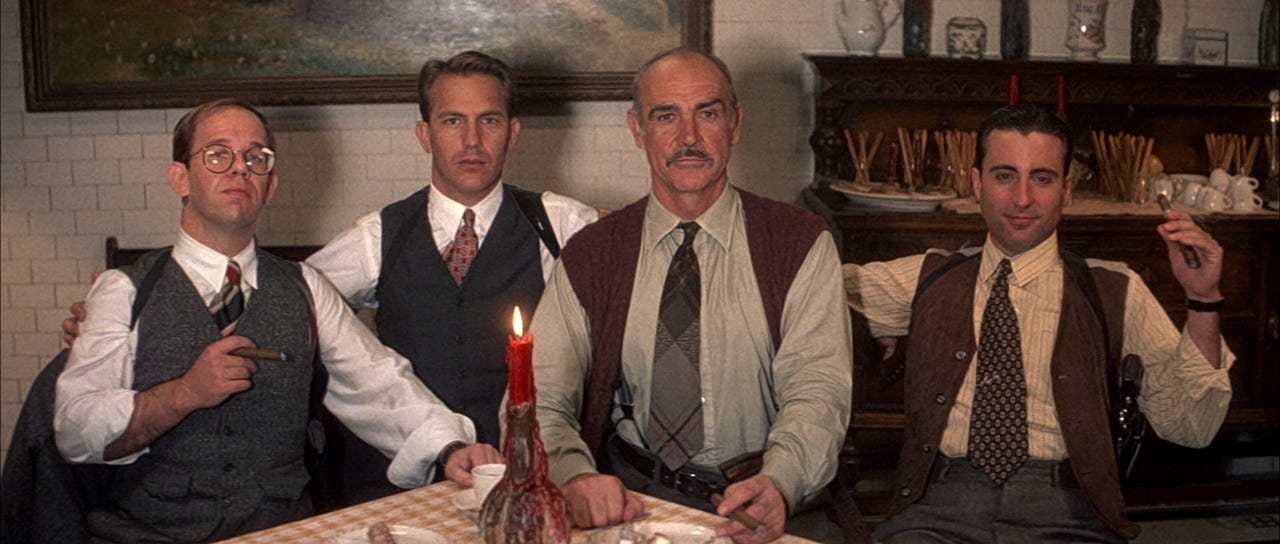
Filmmaker intention, then, is not the technical choice alone. It is the artistic reasoning behind that choice in relation to the narrative. Each scene raises the same underlying questions: What are we meant to understand? What should we feel? What are we being asked to notice?
When we begin with Mamet’s two questions, we move away from isolated moments and toward recognising patterns across the work as a whole. Intention becomes visible not just in a single framing decision, but in the coherence of decisions that shape the story.
In practical terms, this means starting small. Choose a scene. Ask only: What is the camera framing? What are the actors doing? Then trace how those decisions guide the audience through the narrative.
Other Film Matters posts that explore linking ideas:


This is great! The shift from what to why changes the movie-viewing experience... recognizing a low-angle shot is easy, explaining why the director wanted to make you feel small in your seat is where film analysis actually begins.
I normally show my students this little scene from Nickelodeon (Peter Bogdanovich):
https://www.youtube.com/watch?v=MxXFrE7B4tk
In the end that's all you need to know ;))