
You do You
“I find that the only way to get through life is to picture myself in an entirely disconnected reality.” - Joe Dunthorne, author of Submarine

Scenario
Students are pitching story ideas.
Problem: They are not really stories. They are a series of aimless actions that take us to random places and all with unnamed characters (“I want to keep it open,” says the student).
Student: “And then they open this door and they’re in another world!”
Teacher: (with hyper-focus): “Why? Why are they suddenly in another world? What brought them here? How will they leave?”
You get the idea. Students are pitching a sequence of events. I am trying to wrangle some logic into it, searching for motive.
I am pretty sure I am not the only one having these kinds of conversations at the moment.
Rather than get bogged down, and because I need them to think on their feet (so to speak), I have started offering my students a simple exercise to shift their thinking.
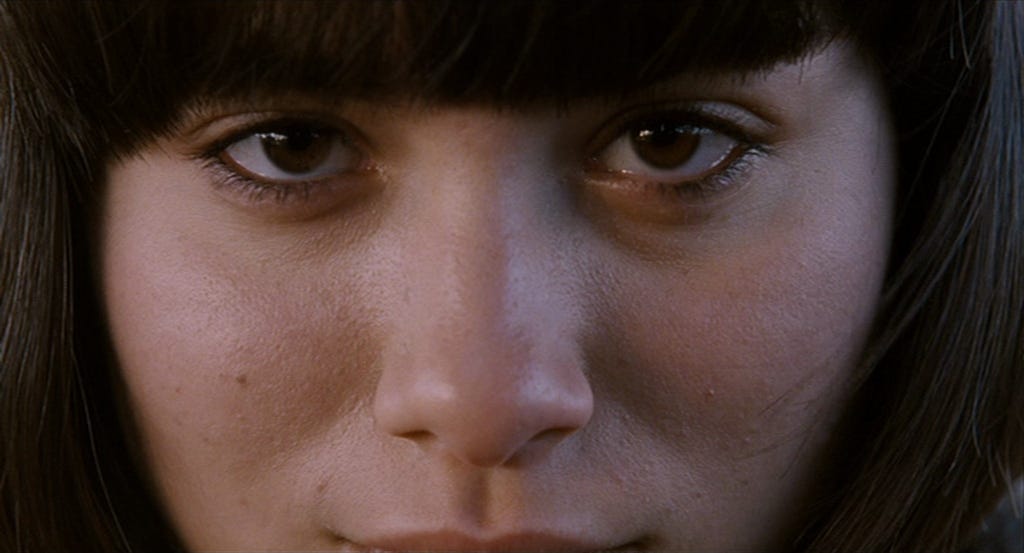
I should probably mention that, so far, this has been a thought experiment in conversation form. We watch the scene, create the character and basically note everything that would be done differently. It seems to be enough. There’s a joy in the low stakes of just imagining the scene.
The Challenge- You do You
Take a favourite scene.
Now place yourself in it.
Not “you as an actor” performing a role. Not pretending to be the character. You. As you are. Your characteristics. Your way of moving through this world.
First, map yourself: ask others how they see you. Compare it to how you see yourself.
Then, step into the scene. How would you actually respond? What choices would you make - or refuse to make?
Finally, shift the world. Move the scene into your own context - your school, your street, your culture, make it spaceship adjacent…
When done honestly, the scene cannot stay the same:
The tone and mood change.
The motive shifts.
Dialogue shifts or disappears altogether (they are teenagers after all, “Bruh, I’d stay quiet!”)
And the setting reframes the conflict.
At some point, it stops being a remake. It becomes a story, even possibly your story, something authentic and unique.
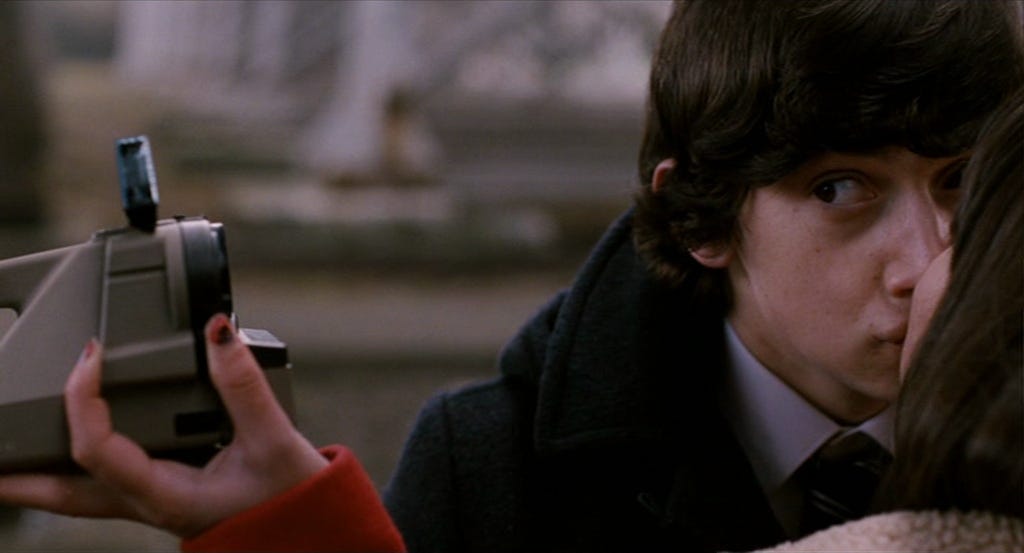
Provocations:
To keep them honest, ask:
What would you never do in this situation?
What choice would you make that the original character never could?
How does your language alter the dialogue?
What truth about your world comes through in the new version?
When does this stop being a copy and start being an original?
This cognitive shift, asking students to “place themselves” inside a scene they love, can unlock what their own pitches are missing: motive, stakes, and truth. Once they see how different the story becomes when it bends to them, the derivative sequence of events falls away, and they’re left with something they can write - more than that, they are left with something only they can write.
Disclaimer - This only works with willing participants (of course). And when they’re not willing, I end up as the guinea pig, often rewritten into a scene I would never survive…
Great post, Sharon. Yes: the problem of imagination! Why do students not have the stories? I think your approach is like an element of jazz: take the tune and see what ELSE you can do with it. Very helpful. Thanks.
I just worked with students in developing a story and OH MY GAWD. They were all over the place. I tried to bring them back to focusing on our three act structure, but the one thing they were missing was the stakes and the “why” behind the main character’s action. I will definitely run this exercise with them when we get to this point again.
Thanks for the upload!