
Pitch
The film that you will never make.

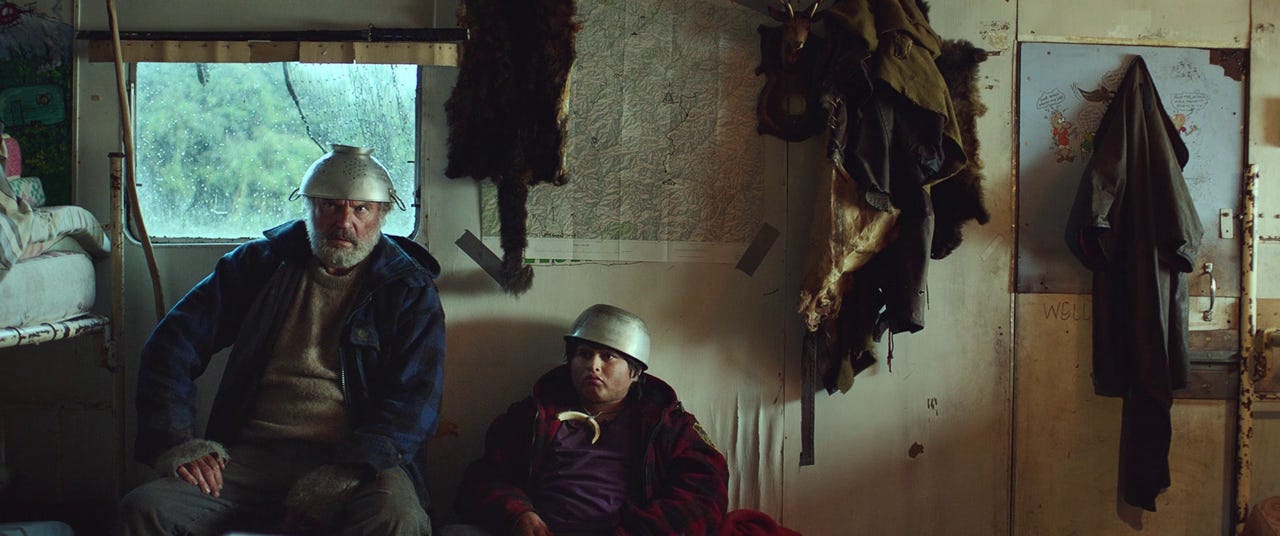
I have been working with a group of ambitious twelve-year-olds, the kind who still have unfiltered, focused imaginations and very little fear of thinking big. We have been studying Hunt for the Wilderpeople as a way of exploring coming-of-age stories that place young people at the centre of the narrative, exposing the fallibilities and blind spots of the adult world with warmth and humour.
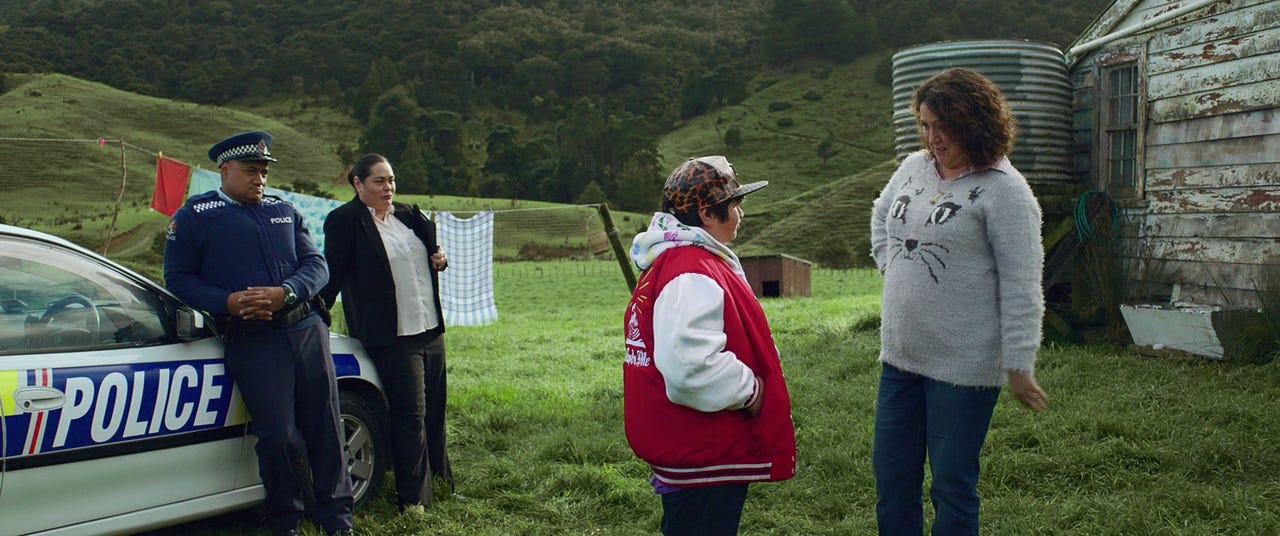
Students spent time exploring narrative arc, character, and story worlds. The results were some of the strongest one-page scripts I have ever read, paired with genuinely outstanding storyboards that clearly visualised those ideas. But I found myself facing a familiar tension: how to honour the scale and ambition of their thinking when we simply did not have the time, or production space, to do those ideas justice.The solution was not to simplify the ideas. It was to stop trying to make the films. Counter-intuitive, perhaps, but honestly, the best decision I made.
Instead of moving into a phase of paring back and compromise to get something made, I asked them to pitch me “the film you will never make” (at least, not right now). Once they understood the reasoning, they were open to the idea. And while this is not revolutionary, pitch decks are not new, nor are they a radical invention. What happened next went far beyond my initial expectations.
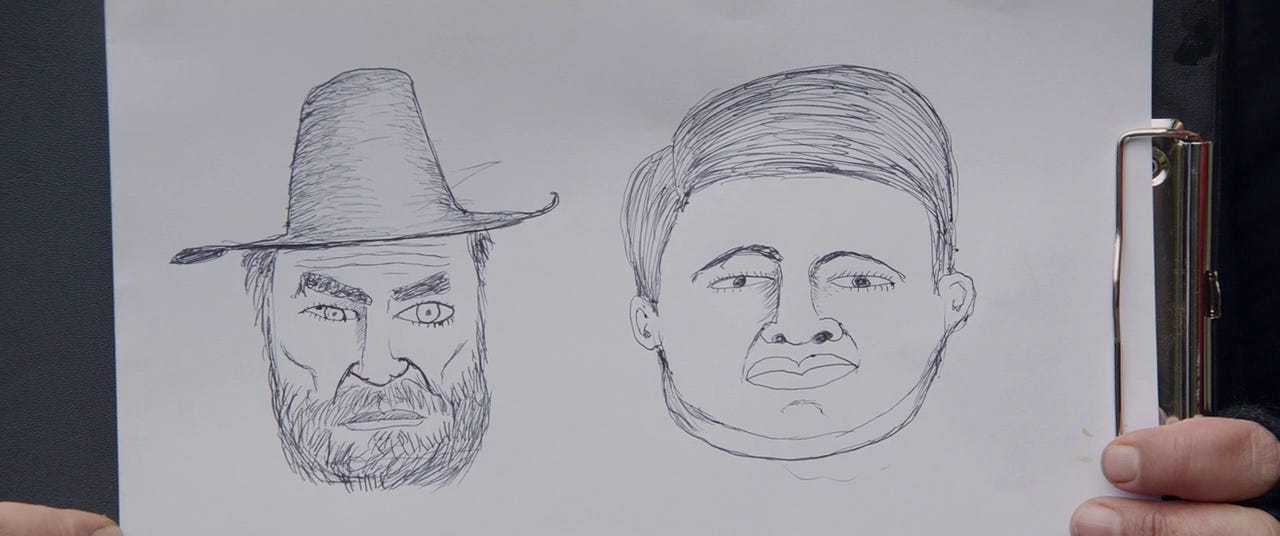
Through the pitch deck process, students were able to fully craft their film worlds without compromise. They worked through loglines and synopses, designed story worlds, built characters, curated mood boards, and made intentional decisions about sound. They imagined their films from beginning to end, not as fragments, but as coherent cinematic experiences. What emerged was a level of purpose and clarity I rarely see at this stage of imagining the film. These were the most detailed and thoughtful filmmaker intentions I have ever received from any age group.
The depth of research and thinking around genre conventions, historical, geographical, and social contexts, and the use of film elements went far beyond what I had anticipated. Even more striking was that the work was not derivative. Each pitch deck functioned as a well-researched reference document that clearly articulated individual intention, without leaning on imitation or surface-level borrowing.
Bringing this into the classroom:
Pitching the film you will never make
Ask students to create a pitch deck for a film that will not be produced, at least not yet. The focus is on clarifying intention, world-building, and cinematic thinking, rather than feasibility or logistics.
Students develop a pitch deck that communicates the film’s core idea, tone, and experience using visual and written elements, without the pressure of moving into production.
Quick Engagement Activity
Use pitch decks as a short, low-risk thinking exercise that moves between observing and practising creative decision-making as they articulate how a film works, not just what happens.
Select a short film, scene, or feature-length film already studied
Ask students to create a 3-4 pitch deck slides as if the film were being pitched for the first time
Focus on tone, story world, and main character, rather than plot detail
In-Depth Assignment
For a more sustained project, students create a complete pitch deck for an original film idea, one that is intentionally not produced, which allows students to:
develop ideas without compromise
take conceptual risks
focus on intention rather than execution
Pitch deck components are adaptable, but might include:
Logline
Synopsis
Story world
Main character
Script excerpt
Storyboard excerpt from a specific scene
Colour palette
Sound design
Comparable films or films that influenced the student
The pitch deck formalises the thinking students are already doing around film. Whether they are studying an existing film or developing one of their own, it gives structure to intention and asks students to translate ideas into cinematic language, focusing on tone, mood, genre, audience, and context before production decisions take over.
Nice idea & project. Would love to see one of those pitch decks they created!