
First Frame, Last Frame
What did you see?

It’s about you - you are the maker of meaning

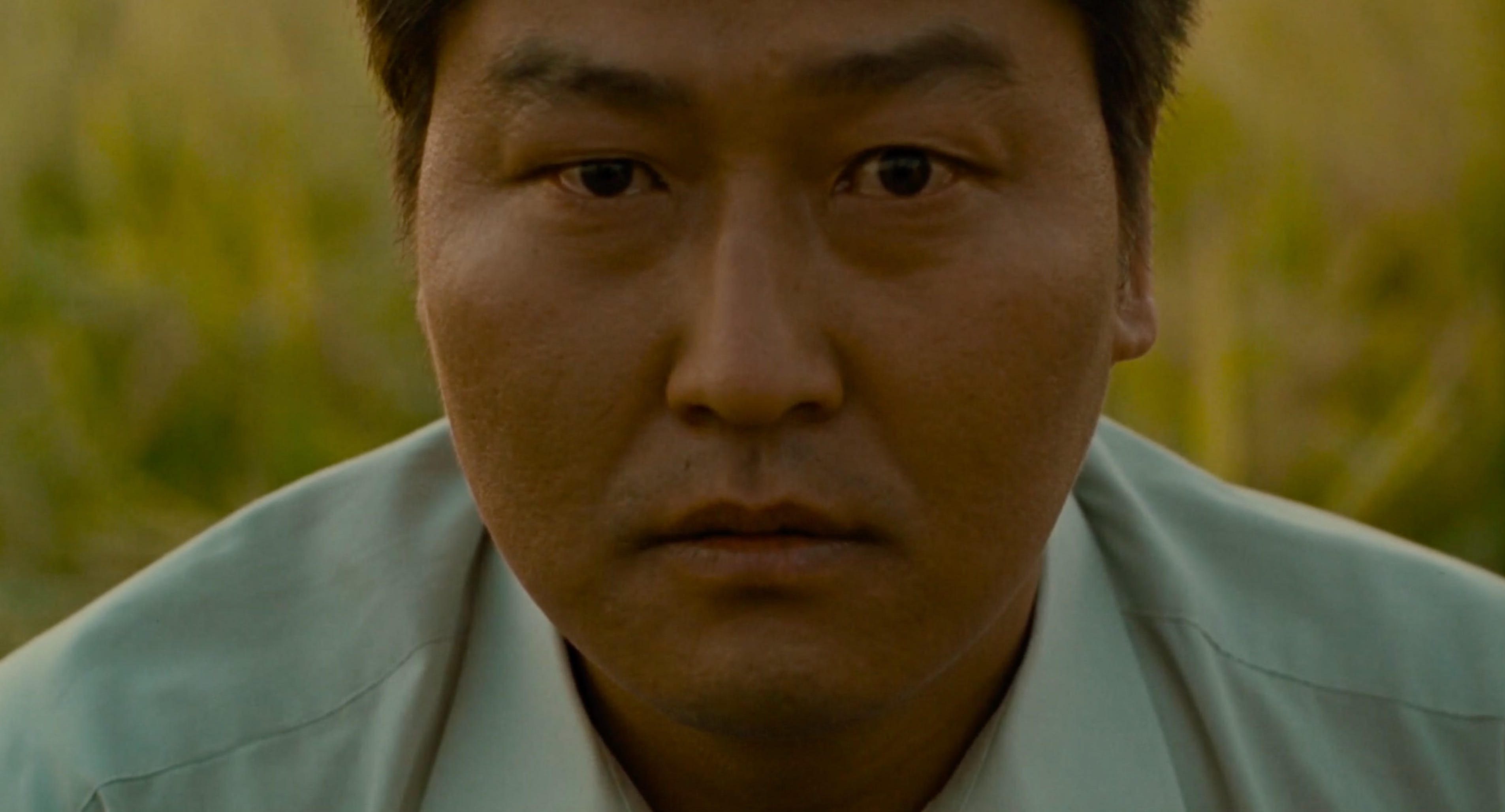
Raising the idea of completing an analysis in film class often makes students react as if they are about to become roadkill. They stare at me like deer in headlights. There is a moment of stunned silence, and then I can see the panic begin to rise. It sounds complicated to analyse.
A simple exercise that can help ease those analytical fears is to introduce students to the first and last frame of a film (or a scene) and invite them to share what they see. What happens almost immediately is that ideas begin to form. Students start projecting meaning onto the images and, by extension, onto the story. In short, they begin to predict, based on what they can objectively see and what that invites them to assume.
The focus here is on grounding those observations in film language and encouraging students to justify their assumptions. Very quickly, the idea of being right or wrong needs to be let go of. Reading a film is a personal endeavour. Each viewer brings themselves to the text and interprets it through the context of their own lived experience. As a result, there will always be nuances and differences in what each person “sees”.
This exercise helps to demystify the idea that there is only one correct reading of a film, and it makes something else visible very quickly: the moment a film starts rolling, decoding starts. Watching is not passive. Students are already predicting forward into the story, testing ideas as new information appears. Film is participatory in this way.
Even when viewers share cultural reference points, films do not land in the same way. Each reading is shaped by experience, perspective, and attention. Analysis, then, is not something added on at the end of a film; it is embedded in the act of watching.
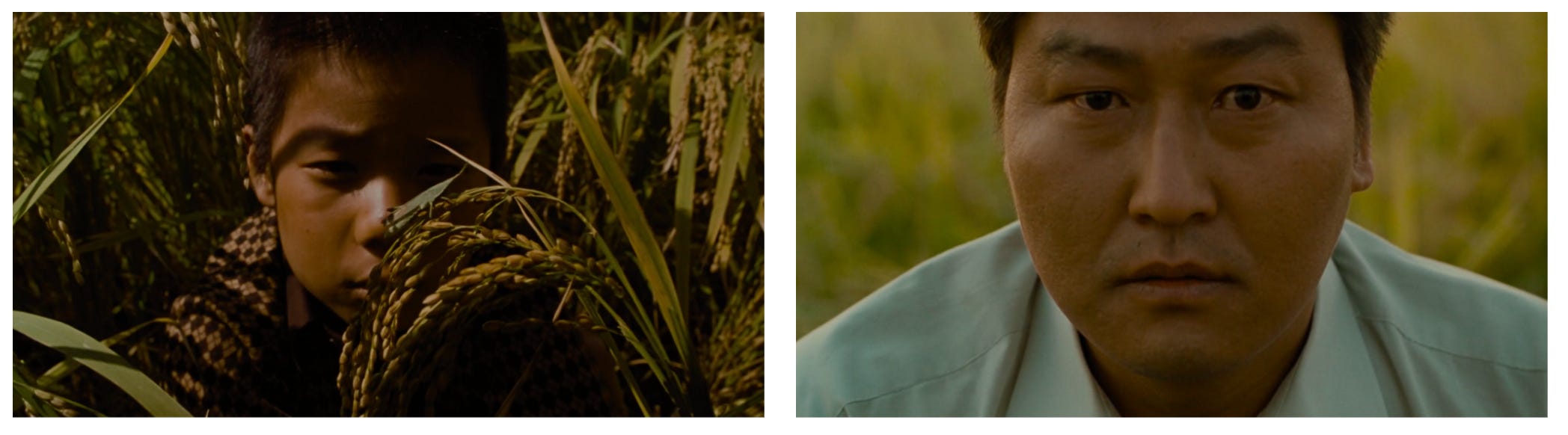
Bringing this into the classroom
Students begin with observation and prediction, using the first frame of a film and then turning to the very last frame to repeat the same process.
Read the image — three stages
Facts: What do you see?
(Observable facts only. An objective response.)
When you look at this image, write down what you see using only objective terminology. You cannot infer or interpret. You can only describe what is visible, using non-leading language.Interpretation: What do you think you see?
(Beginning to impose meaning.)
This time, you are allowed to make inferences and references using subjective wording as you describe what you see. You are allowed to interpret what you think is in the image. This means you are imposing your opinions onto it.Prediction: What do you think happens between the first and last frame of the story?
In practice, this approach works in multiple ways. It can function as a short warm-up to activate film thinking, a focused writing task that develops precision and film language, or a longer exercise where students justify a particular reading by taking one assumption and setting it up as a premise.
It also extends well into practical work. Students can take any script, original or borrowed, and render/generate the first and last frame using only the written descriptions. Reading or watching the script afterwards becomes a way to test assumptions and to notice how stories confirm, complicate, or resist early predictions.
What students begin to understand is that analysis is about paying attention to how meaning forms, and recognising that they have been doing this all along.
For other posts that explore exercises in analysis and reading an image, turn to:

